
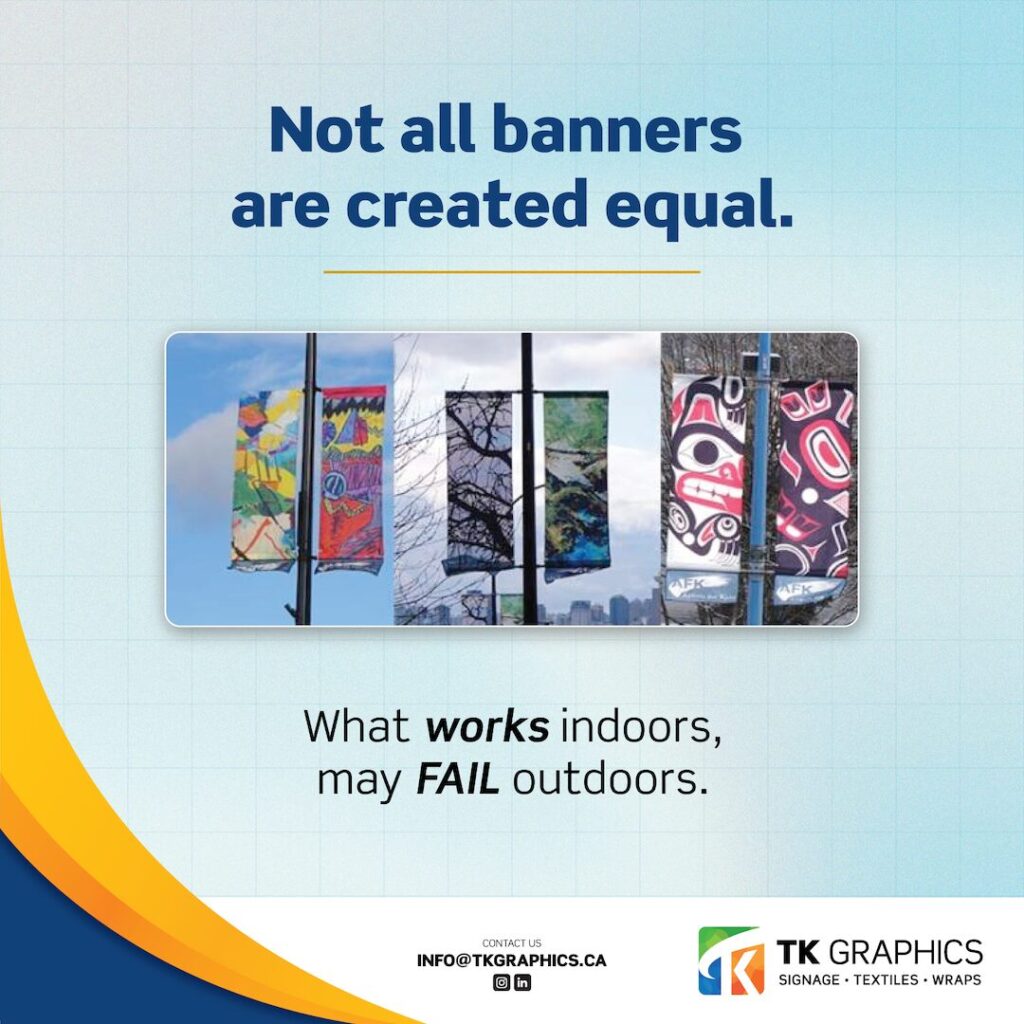
Introduction: The Enduring Power of Physical Visibility
Marketing technologies evolve rapidly, but one reality remains constant: people still live, work, travel, and make decisions in physical spaces. Streets, sidewalks, intersections, and storefronts continue to shape how brands are perceived, trusted, and remembered.
While digital marketing excels at targeting and tracking, outdoor advertising anchors brand presence in the real world. Among all outdoor formats, banners and street banners remain some of the most accessible, flexible, and cost-effective tools available to businesses, institutions, and organizations worldwide.
Banners are not relics of traditional marketing. When executed professionally, they are strategic visibility assets reinforcing brand identity, supporting digital campaigns, and establishing credibility where it matters most: in front of real people, every day.
This comprehensive guide explores banners and street banners in depth, covering strategy, psychology, materials, design science, installation, compliance, ROI, and long-term brand impact.
Understanding Banners in Professional Advertising
What Is a Banner?
A banner is a large-format printed visual communication medium designed for high visibility and repeated exposure. It is typically manufactured using durable materials such as flex vinyl, flex mesh, or PET tarpulin, banners are used across both indoor and outdoor environments and, whereas fabric banners are predominantly used in indoor settings.
What differentiates banners from other advertising formats is their combination of:
- High visibility
- Physical permanence
- Repeated exposure
- Cost efficiency
Unlike digital ads, banners do not rely on algorithms, platforms, or user behavior to be seen. They exist continuously in shared public space.
What Are Street Banners?
Street banners are a specialized category of banners designed for outdoor, public-facing environments. They are commonly installed along:
- Light poles and utility poles
- Side of the buildings
- Sidewalks and pedestrian zones
- Bridges and overpasses
- Parking lots
Street banners are engineered to withstand environmental stress while remaining legible from a distance. Because they are exposed to weather, wind, and sunlight, material selection, printing quality, and finishing are critical.
Why Banners and Street Banners Still Work
1. The Psychology of Passive Exposure
Banners rely on passive exposure, meaning audiences absorb information without actively engaging with it. Repeated exposure creates familiarity, and familiarity builds trust.
This is supported by the mere exposure effect, a well-established principle in consumer psychology: people tend to develop a preference for things simply because they are familiar with them.
A street banner seen daily on a commute:
- Becomes recognizable
- Signals stability
- Feels established
Over time, the brand becomes mentally “safe” and trustworthy.
2. Environmental Authority and Legitimacy
Physical signage communicates permanence. A business or organization that invests in visible, professional banners is perceived as:
- Legitimate
- Operational
- Established
This perception is particularly important for:
- Service-based businesses
- Construction and real estate companies
- New or expanding brands
- Public institutions
Poor-quality or improvised banners, on the other hand, damage credibility instantly.
3. Predictable, Long-Term Visibility
Unlike paid digital campaigns that stop the moment the budget runs out, banners provide continuous exposure for a fixed cost.
Once installed:
- There are no impression fees
- No clicks to pay for
- No fluctuating ad performance
This predictability makes banners ideal for long-term campaigns and brand reinforcement.

Strategic Role of Banners in Modern Marketing Ecosystems
Not a Replacement, A Reinforcement
Banners should not be viewed as competitors to digital marketing. Instead, they function as reinforcement tools that strengthen the impact of online efforts.
When audiences encounter the same brand:
- On the street
- On social media
- On search engines
Trust increases faster. This multi-touch exposure improves recall and conversion.
Hyper-Local Market Influence
Street banners are uniquely powerful for geographic dominance. They allow businesses to:
- Own visual space in specific areas
- Target audiences based on physical location
- Build recognition within communities
This is particularly effective for special events, festivals, landmark brandings, shopping malls, and sports brandings.
Banner Materials: Strategic Selection, Not Guesswork
Vinyl Banners
Vinyl banners are the industry standard for outdoor use due to their durability and versatility.
Best for:
- Long-term outdoor displays
- Storefront signage
- Construction and development sites
Advantages:
- Weather resistance
- UV-protected printing
- Strong color accuracy
- Cost-effective for extended use
Mesh Banners and Wind Management
Mesh banners are perforated to allow airflow, reducing wind load.
Best for:
- High-rise installations
- Fences and scaffolding
- Windy or open environments
Using solid vinyl in these situations often leads to tearing or structural failure.
Fabric Banners and Brand Perception
Fabric banners are chosen for their premium look and texture.
Best for:
- Short-term outdoor use
- Events and branded activations
- Semi-covered environments
They signal quality and refinement but require controlled exposure.
Design Science: Creating Banners That Communicate Instantly
Designing for Distance and Speed
Street banners are often viewed:
- From moving vehicles
- Across wide roads
- In brief moments
Effective banner design prioritizes instant comprehension.
Key principles:
- Large, bold typography
- Minimal text
- Strong contrast
- Clear focal point
If the message cannot be understood within three seconds, it is too complex.
Typography for Outdoor Legibility
Professional outdoor banners typically use:
- Sans-serif fonts
- Thick strokes
- Adequate spacing
Decorative or script fonts reduce readability, especially at speed or distance.
Color Theory and Visual Impact
Color choices influence both visibility and emotion.
Best practices include:
- High contrast between text and background
- Consistent brand colors
- Avoiding low-contrast combinations
Color accuracy in printing is critical for brand consistency.
Banner Placement Strategy
High-Traffic Exposure Zones
Street banners perform best in areas with consistent movement:
- Main roads
- Commercial corridors
- Transit routes
Repeated exposure compounds effectiveness.
Proximity to Decision Points
Placing banners near:
- Store entrances
- Event venues
- Access roads
Increases the likelihood of action.
Orientation and Sightlines
Professional placement considers:
- Viewing angles
- Obstructions
- Height and spacing
Poor placement can render even well-designed banners ineffective.
Installation and Structural Considerations
Professional Finishing
Durable banners require:
- Reinforced hems
- Proper grommet spacing
- High-quality mounting hardware
These details significantly extend lifespan.
Environmental Stress Factors
Outdoor banners face:
- UV degradation
- Moisture exposure
- Temperature fluctuations
- Wind pressure
Material choice and finishing determine how well banners perform over time.
Compliance, Permits, and Regulations
Street banners often fall under municipal regulations governing:
- Size
- Placement
- Duration
- Safety standards
Professional providers consider compliance early to avoid fines, removal, or liability.
Banner Lifespan, Maintenance, and Replacement Cycles
Typical Outdoor Lifespan
- Vinyl banners: up to 3-5 years
- Mesh banners: up to 2-3 years
- Tarpaulin banners: up to 3-5 years
How banners are installed, environmental conditions and maintenance practices affect longevity.
Street Banner Lifespan, Maintenance, and Replacement Cycles
Typical Outdoor Lifespan
- Fabric banners: 12-18 months
- Mesh banners: up to 18 months
- Tarpaulin banners: up to 24 months
How banners are installed, environmental conditions and maintenance practices affect longevity.
Maintenance Best Practices
- Periodic inspection
- Cleaning to prevent buildup
- Timely removal when damaged
A deteriorating banner harms brand image more than no banner at all.
Measuring Banner Effectiveness
Although banners do not generate direct analytics, impact can be assessed through:
- Increased foot traffic
- Higher brand search volume
- Direct inquiries referencing signage
- Sales trends in banner-covered areas
When integrated into a broader strategy, banners contribute measurable value.
Cost, Budgeting, and ROI Considerations
Banner costs vary based on:
- Size
- Material
- Print quality
- Finishing
- Installation requirements
While low-cost options exist, professional banners provide higher ROI by:
- Lasting longer
- Preserving brand reputation
- Reducing replacement frequency
Common Banner Mistakes That Undermine Results
- Overcrowded layouts
- Low-resolution graphics
- Incorrect material choice
- Poor installation
- Inconsistent branding
These mistakes often cost more in lost credibility than money saved.
Sustainability and Environmental Considerations
Modern banner production increasingly considers:
- Material waste reduction
- Responsible disposal
- Longer-lasting materials
Professional planning minimizes environmental impact while maximizing lifespan.
Banners as Long-Term Brand Infrastructure
When treated strategically, banners:
- Support seasonal campaigns
- Reinforce brand launches
- Strengthen local authority
- Complement digital marketing
They are not disposable tools but visibility infrastructure.
Why Professional Banner Production Matters
Professional production ensures:
- Accurate color reproduction
- Structural durability
- Consistent branding
- Compliance with outdoor standards
Banners represent a brand publicly. Professional execution protects that image.
Conclusion: Why Banners and Street Banners Remain Essential
Banners and street banners endure because they solve a fundamental marketing challenge: being seen and remembered in the real world.
When designed with intention, produced professionally, and integrated into a broader marketing strategy, banners:
- Build trust
- Reinforce presence
- Support digital campaigns
- Deliver lasting visibility
In an increasingly digital world, banners remain powerful because they occupy physical space where people live their lives and make decisions.